
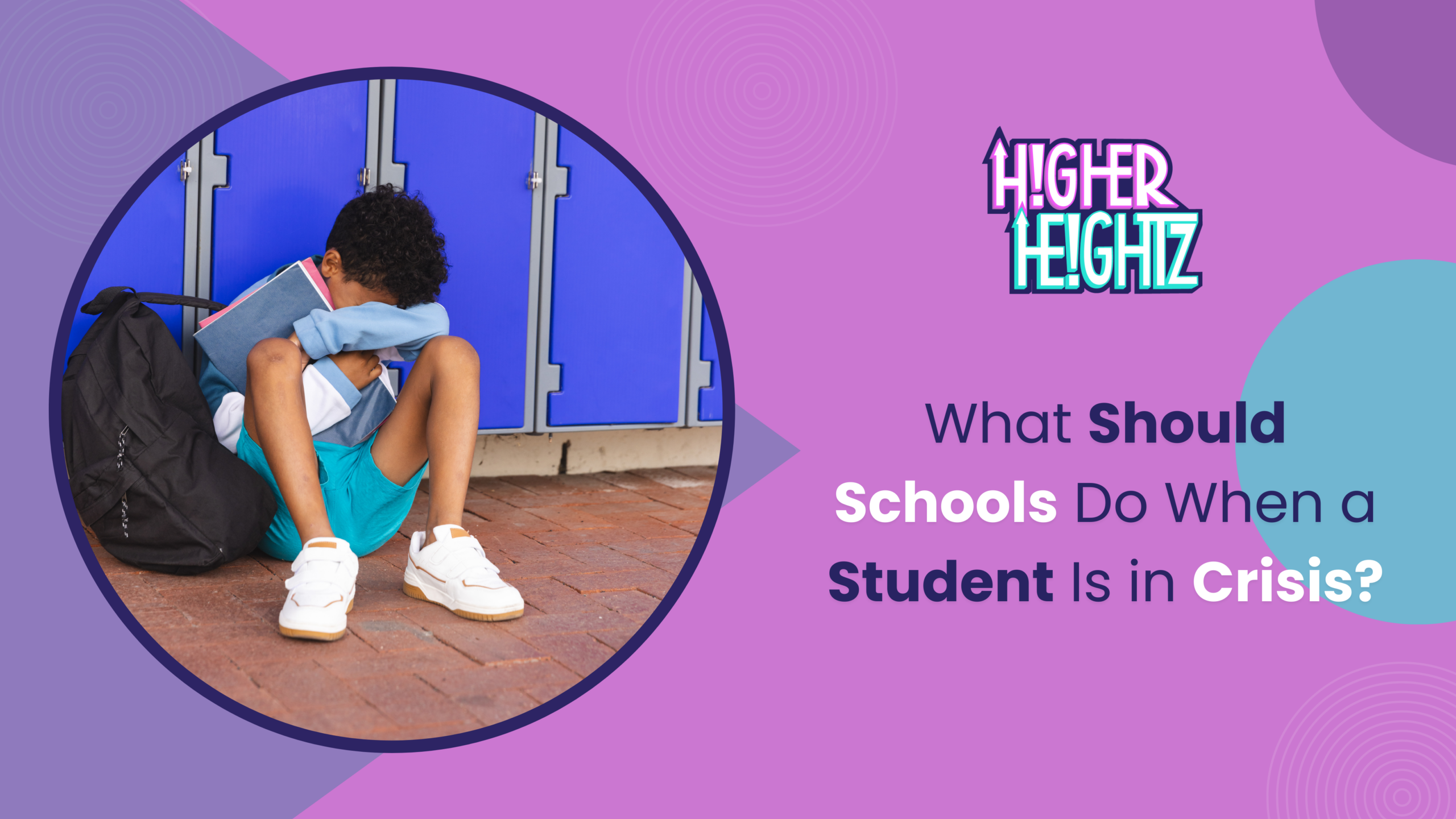
What Should Schools Do When a Student Is in Crisis?
A student breaks down crying in the hallway. Another hasn’t shown up for three days. Someone’s grades dropped from B’s to failing in six weeks.
Every school deals with these moments. The difference between a student getting help or falling through the cracks? How staff respond.
Most schools operate like everything’s fine until suddenly it’s not. Then everyone scrambles.
What Crisis Actually Looks Like
“Crisis” covers more ground than people think.
- A student threatening to hurt themselves.
- Someone who’s suddenly withdrawn from everything.
- Major changes at home, divorce, death, eviction and abuse.
- Panic attacks that make showing up to class impossible.
- Substance use that’s spiraling.
- Trauma that comes out as anger, silence, or complete shutdown.
Some crises are loud. Others are quiet kids who stop turning in work and hope nobody notices.
Catch It Early
Grades start dropping. Behavior changes. Kids withdraw. The signs show up weeks or months before things hit breaking point.
Schools that catch students early? They train everyone to spot warning signs, not just counselors.
They make it normal to speak up about a struggling student instead of waiting for someone else to notice first. They’ve got clear ways to connect students to support before things blow up.
Students remember the adults who saw them sinking and then did something about it.
Related: How Teachers Can Recognize and Respond to Early Signs of Trauma
Nobody Can Do This Alone
The school counselor’s pulled in forty directions. The principal’s managing everything else.
Crisis response needs a team. Someone coordinating who’s getting support. Clear roles so teachers know when to step in and when to refer out.
Mental health professionals who can assess what’s actually happening. Outside resources for the things schools can’t handle alone.
One caring adult matters. But complex situations need more than one person’s good intentions.
Have the Emergency Numbers Ready
When a student’s at immediate risk, you need to know who to call. Right now. Not ten minutes from now while you’re googling crisis services.
Clear protocols that everyone knows. Partnerships with crisis hotlines and mobile teams already set up. A plan for keeping students safe while you’re waiting for help. Staff who’ve been trained on what helps and what makes things worse.
You don’t want to be figuring this out when a kid’s in danger.
What Happens After Everyone Stops Panicking
The immediate emergency passes. Then what?
This is where schools drop the ball. And where having actual support matters.
Students need ongoing counseling to deal with whatever triggered the crisis. Plans that include both school support and outside mental health services.
Trauma-informed approaches that help them process what happened. Permission to struggle without everyone treating them like they’re broken.
Recovery’s messy. Students backslide. That’s when consistent support from someone who knows what they’re doing matters most.
Individual therapy and trauma recovery groups give students actual tools to rebuild and keep moving.
Work With Parents
Family situations are complicated. Some parents are desperate for help. Others have no idea what’s happening. A few make things worse without meaning to.
Start every conversation assuming they want what’s best for their kid. Talk about what you’re seeing, not what they’re doing wrong. Offer next steps instead of just listing problems.
Keep them informed/in the loop when things change. They are closer to their kid than you are.
The majority of parents are doing their best with what they have to work with.
Train Staff Before Crisis Hits
Teachers who’ve never handled a student in crisis? They freeze. Or they say the wrong thing and make it worse.
Regular training covers how to start that first hard conversation. What helps and what doesn’t. When to bring in others. How to manage your own stress when students are falling apart.
You can’t practice this stuff for the first time when it’s actually happening.
Prevention Beats Crisis Response
Prevention of a crisis is the best solution.
Prevention programs in schools educate students on healthy coping mechanisms.
Staff who know what warning signs look like. Clear pathways to get students help. Partnerships with trauma specialists already in place before you need them.
Prevention work doesn’t get the credit it deserves. But it’s what keeps students from reaching crisis in the first place.
Start Building Now
Helping students in crisis takes more than caring. It takes prevention programs. Trained staff. Trauma-informed support. Systems that work before, during, and after things fall apart.
Higher Heightz collaborates with schools to develop prevention programs, educate employees to identify early warning signs in time, and offer the continuous counseling and trauma recovery that students actually require.
Get in touch and let’s build something that works.
FAQs
How long before we see results?
A few months for some shifts. Real culture change takes about a year.
What if we don’t have mental health staff?
Partner with outside providers. Make investments in prevention and training that would help to detect issues before they become crises.
How do we handle confidentiality?
Safety comes first. Disclose what the people must know to ensure the safety of the student. Nothing more.
What of those students who reject help?
Keep showing up. There are instances that they require seeing that you are not going anywhere before they are ready.